
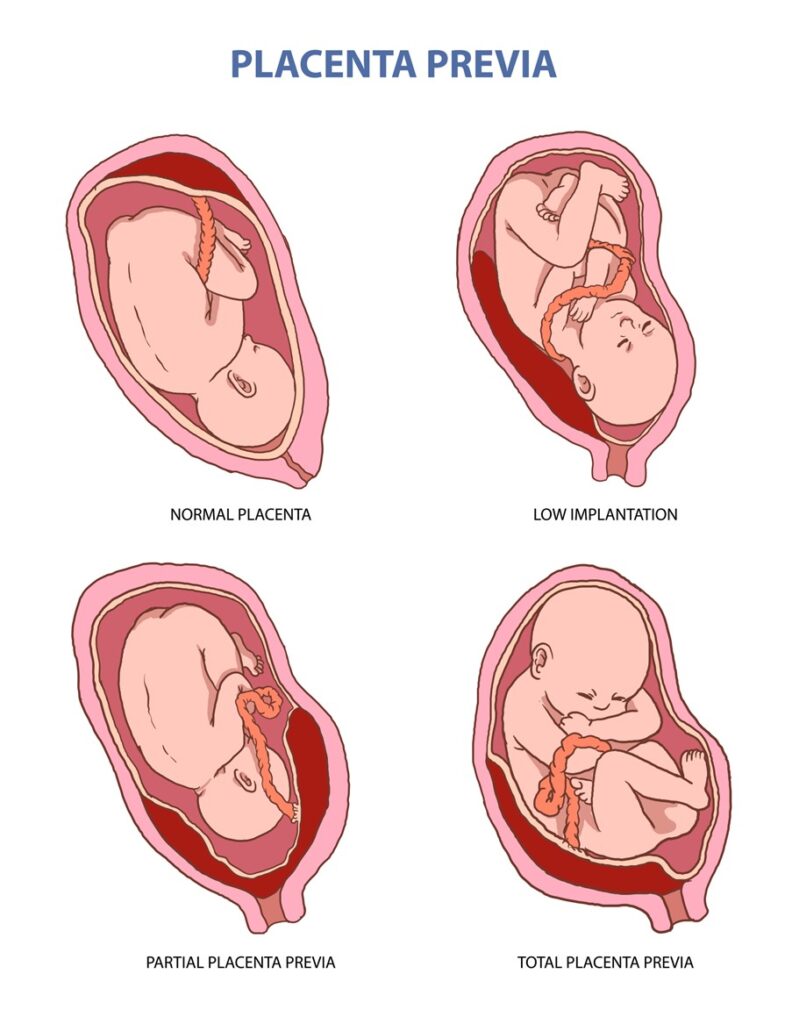
Placenta previa is a condition that can affect pregnant women. In this condition, the placenta covers part or all of the cervix. Because the placenta is vital for your baby’s growth, placenta previa can be serious. Early diagnosis and proper care help keep both mother and baby safe. In this blog, we will explain placenta previa, its causes, symptoms, diagnosis, and treatment options. We will also share tips for expectant mothers and answer common questions.
What Is Placenta Previa?
Placenta previa happens when the placenta sits low in the uterus and covers the cervix. The cervix is the opening to the birth canal. Normally, the placenta attaches higher up in the uterus. However, with placenta previa, it blocks the baby’s way out. This can cause bleeding and other problems during pregnancy and delivery.
Causes and Risk Factors
Several factors can increase the risk of placenta previa. While the exact cause is often unknown, some women are more likely to develop this condition. Common causes and risk factors include:Having had placenta previa in a previous pregnancyCarrying more than one baby (twins or triplets)Previous surgery on the uterus, such as a C-sectionBeing over 35 years oldSmoking during pregnancyHaving a large placentaHistory of miscarriages or abortions
Symptoms of Placenta Previa
Placenta previa often causes painless bleeding during the second or third trimester. However, not all women have symptoms. Common signs include:Bright red vaginal bleeding, often without painBleeding after sexual activityBleeding that starts and stops on its ownRarely, mild cramps or contractions
Sometimes, there are no symptoms until a routine ultrasound finds the problem.
How Is Placenta Previa Diagnosed?
Doctors usually diagnose placenta previa with an ultrasound. This test uses sound waves to create pictures of your uterus and baby. Sometimes, a transvaginal ultrasound gives a clearer view. If you have bleeding, your doctor may also check your vital signs and do blood tests. Early diagnosis helps plan safe care for you and your baby.
Treatment Options for Placenta Previa
Treatment depends on how far along you are and how much bleeding you have. In many cases, doctors recommend:Resting and avoiding heavy activityAvoiding sex or anything that could trigger bleedingStaying in the hospital if bleeding is heavyMonitoring your baby’s growth with regular ultrasounds
If the placenta still covers the cervix close to delivery, a C-section is usually needed. Most women with placenta previa deliver healthy babies with proper care.
Prevention and Lifestyle Tips
While you cannot always prevent placenta previa, you can lower your risk. Here are some helpful tips:Do not smoke during pregnancyAttend all prenatal checkupsTell your doctor about any past surgeries or pregnanciesFollow your doctor’s advice for a healthy pregnancy
Staying informed and making healthy choices can help you and your baby.
When to Seek Medical Help
It is important to know when to get help. Seek medical care right away if you:Have any vaginal bleeding during pregnancyFeel dizzy or faintHave severe abdominal painNotice contractions or early labor signs
Quick action can protect you and your baby from serious problems.
Frequently Asked Questions (FAQs)
Can placenta previa go away on its own?
Yes, in some cases, the placenta moves up as the uterus grows. Regular ultrasounds help track changes.
Is placenta previa dangerous for my baby?
Placenta previa can cause bleeding, but with good care, most babies are born healthy. Your doctor will guide you.
Can I have a normal delivery with placenta previa?
If the placenta still covers the cervix at delivery, a C-section is safest. Your doctor will decide what is best.
What should I avoid if I have placenta previa?
Avoid sex, heavy lifting, and activities that may cause bleeding. Always follow your doctor’s advice.
How common is placenta previa?
Placenta previa affects about 1 in 200 pregnancies, according to the CDC and WHO.
If you have concerns about placenta previa, consult a healthcare specialist for personalized advice.
Placenta previa may sound worrying, but with early diagnosis and the right care, both mother and baby can remain safe and healthy. Regular check-ups and timely medical support make all the difference.
Experiencing bleeding or concerns during pregnancy?
Visit Keshath Institute for Maternity for expert care, advanced monitoring, and safe delivery solutions.
Because every mother and baby deserves the best care—book your consultation today!