
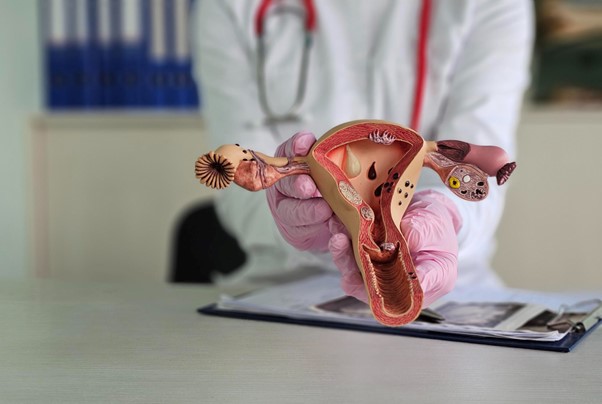
What is Post Menopausal Bleeding?
Post menopausal bleeding means any vaginal bleeding that happens after you have stopped having periods for 12 months or more. Usually, menopause marks the end of monthly periods. However, if you notice bleeding after this time, it is called post menopausal bleeding. This symptom can be worrying, but it is important to know what it means. Early attention can help find the cause and guide treatment.
Common Causes of Post Menopausal Bleeding
There are several reasons why post menopausal bleeding may occur. Some causes are harmless, but others may need quick care. For example, the most common causes include:Vaginal or uterine atrophy: The lining of the vagina or uterus can become thin and dry, leading to bleeding.Polyps: These are small growths in the uterus or cervix that can bleed.Endometrial hyperplasia: The lining of the uterus becomes thick, sometimes due to hormone changes.Hormone therapy: Taking estrogen or other hormones can sometimes cause bleeding.Uterine or endometrial cancer: Although less common, cancer can cause post menopausal bleeding and should always be ruled out.
Sometimes, infections or certain medicines can also lead to bleeding. Because causes vary, it is important to get checked by a doctor.
Symptoms and Warning Signs
Post menopausal bleeding is itself a symptom. Still, you should watch for other warning signs. For instance, you may notice:Spotting or light bleeding after menopauseHeavy bleeding or clotsPain in the lower bellyUnusual vaginal dischargePain during sex
If you have any of these symptoms, especially with bleeding, it is wise to seek medical advice. Early action can help find the cause and prevent problems.
How Post Menopausal Bleeding is Diagnosed
Doctors use several steps to find the cause of post menopausal bleeding. First, they will ask about your health history and symptoms. Next, they may do a physical exam. Often, tests are needed, such as:Pelvic exam: Checks for growths or changes in the vagina, cervix, or uterus.Ultrasound: Uses sound waves to look at the uterus and ovaries.Endometrial biopsy: Takes a small sample from the uterus lining to check for cancer or other changes.Hysteroscopy: A thin tube with a camera looks inside the uterus.
With these tests, doctors can find the cause and suggest the best treatment. According to the CDC, early diagnosis is key for better outcomes.
Treatment Options
Treatment for post menopausal bleeding depends on the cause. For example, common treatments include:Vaginal creams or tablets: These help with dryness or thinning of the vaginal lining.Removing polyps: Doctors can remove polyps during a simple procedure.Hormone therapy changes: Adjusting or stopping hormone medicines may stop bleeding.Surgery: In rare cases, surgery may be needed for cancer or severe problems.
Doctors will explain your options and help you choose the best plan. Most causes can be treated easily, but some need more care.
Prevention and Lifestyle Tips
While not all cases can be prevented, some steps may lower your risk. For instance, you can:Have regular check-ups with your doctorReport any unusual bleeding right awayMaintain a healthy weightEat a balanced diet rich in fruits and vegetablesAvoid smoking and limit alcoholStay active with regular exercise
These habits support your overall health and may help prevent some causes of post menopausal bleeding.
When to Consult a Doctor
It is important to see a doctor if you notice any post menopausal bleeding, even if it seems minor. For example, bleeding after menopause is not normal and should always be checked. Early care can help find and treat problems before they get worse. If you have heavy bleeding, pain, or other symptoms, seek help right away. The World Health Organization recommends prompt medical attention for any post menopausal bleeding.
If you notice any post menopausal bleeding, consult a healthcare specialist for personalized advice.