
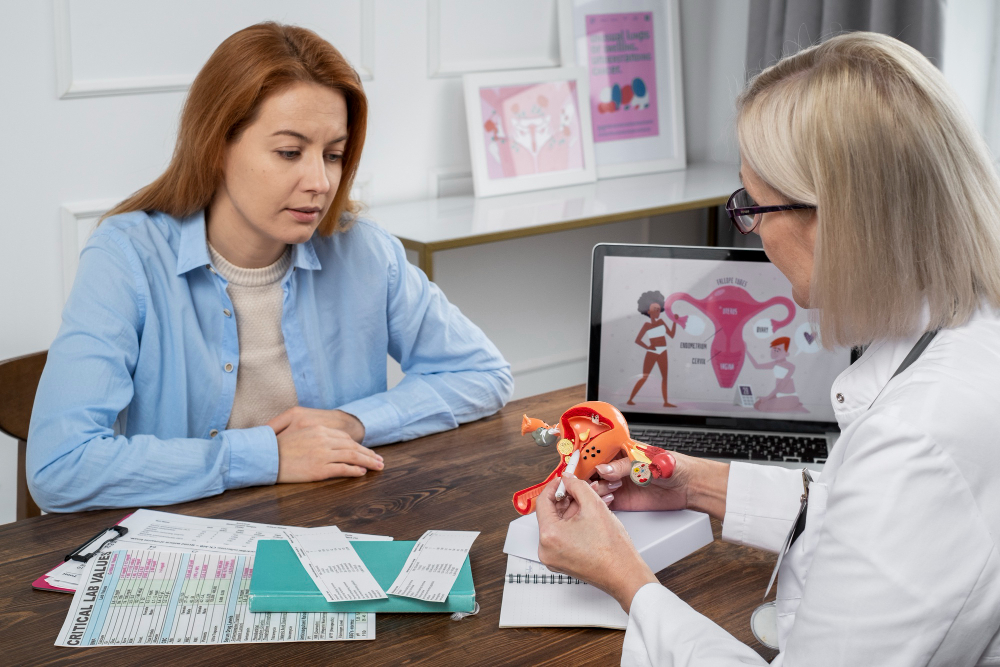
What Are Uterine Fibroids?
Uterine fibroids are non-cancerous growths that form in or on the uterus. Many women develop fibroids during their lives. However, most do not know they have them. Fibroids can be small or large. Sometimes, they cause no symptoms at all. But for some women, fibroids can lead to health problems. Understanding what fibroids are helps you spot early signs and seek help quickly.
Why Early Detection Matters
Early detection of fibroids is important. When you notice symptoms early, you can get treatment sooner. This can help prevent complications. For example, untreated fibroids may cause pain, heavy bleeding, or fertility issues. In addition, early care may mean less invasive treatments. According to the CDC, many women live with fibroids without knowing it. But, paying attention to early signs can make a big difference in your health.
Early Signs of Fibroids You Should Never Ignore
It is easy to miss the early signs of fibroids. Still, some symptoms are more common. If you notice any of these, it is wise to talk to your doctor. Here are the early signs of fibroids you should never ignore:
Although these symptoms can have other causes, they are common signs of fibroids in women. Do not ignore them, especially if they last for more than a few weeks.
When to See a Doctor
If you notice any of the early signs listed above, it is important to see a doctor. For example, heavy bleeding that soaks through pads every hour is a reason to seek help. Also, if pain keeps you from daily activities, do not wait. Early care can prevent bigger problems later. Even if you are unsure, talking to a gynecologist can give you peace of mind.
Diagnosis and Next Steps
When you visit your doctor, they may ask about your symptoms and medical history. Often, a pelvic exam is done first. Sometimes, your doctor may order an ultrasound. This test uses sound waves to look at your uterus. In some cases, other tests like MRI may be needed. Once fibroids are found, your doctor will discuss treatment options. These may include medicine, lifestyle changes, or surgery. The right choice depends on your symptoms and health goals.
Lifestyle Tips for Managing Symptoms
While you wait for treatment, some lifestyle changes can help manage mild symptoms. Here are a few tips:
Although these steps may not cure fibroids, they can help you feel better. Always talk to your doctor before starting new treatments or supplements.
Conclusion
In Summary: Recognizing the Early Signs of Fibroids Knowing the early signs of fibroids you should never ignore can help you seek care sooner. If you notice heavy periods, pelvic pain, or other symptoms, do not wait. Consult a gynecologist at Keshath Institute for Maternity and Surgical Sciences for personalized advice and timely treatment.