
What is Oophorectomy?
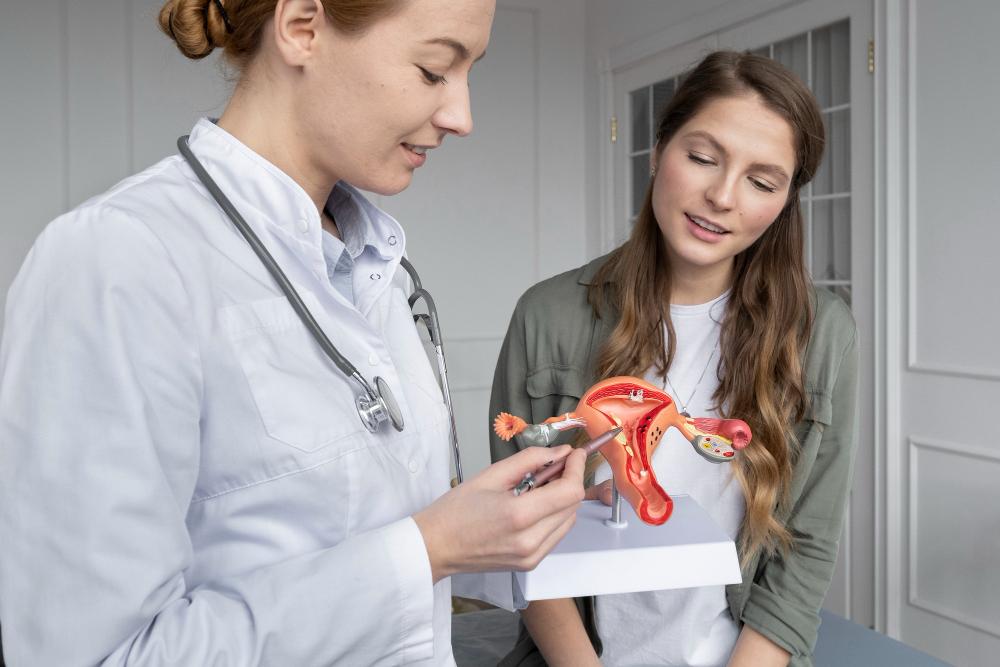
Oophorectomy is a surgery to remove one or both ovaries. The ovaries are small organs in a woman’s lower belly. They make eggs and important hormones. There are several types of oophorectomy, each with its own purpose. Understanding the types of oophorectomy can help you make informed choices about your health.
Why is Oophorectomy Performed?
Doctors may suggest oophorectomy for different reasons. For example, it can treat certain health problems or lower the risk of disease. Common reasons include:
Sometimes, oophorectomy is done along with other surgeries, like a hysterectomy (removal of the uterus).
Main Types of Oophorectomy
There are several types of oophorectomy. Each type depends on how many ovaries are removed and how much tissue is taken out. Let’s look at the main types.
Unilateral Oophorectomy
In a unilateral oophorectomy, only one ovary is removed. The other ovary stays in place. This type is often used when a problem affects just one ovary. For example, a large cyst or tumor may be present on one side only.
Bilateral Oophorectomy
During a bilateral oophorectomy, both ovaries are removed. This is common if there is cancer or a high risk of cancer. Removing both ovaries stops the body from making certain hormones. As a result, this can cause menopause to start right away.
Partial Oophorectomy
A partial oophorectomy means only part of one ovary is removed. Doctors may choose this if they want to save as much healthy tissue as possible. For example, this may be done for small cysts or growths.
Total Oophorectomy
In a total oophorectomy, the entire ovary or ovaries are removed. This is the most common type. It is often done for cancer, large cysts, or severe infections.
How Each Type is Performed
Oophorectomy can be done in a few ways. The method depends on your health and the reason for surgery. Common approaches include:
Sometimes, doctors remove only the ovary. Other times, they may also remove nearby tissues or organs. Your doctor will explain which method is best for you.
Recovery and Aftercare Tips
After oophorectomy, recovery time can vary. However, most people can go home within a few days. Here are some helpful recovery tips:
Most people can return to normal activities in two to six weeks. But, everyone heals at their own pace.
Risks and Benefits
Like any surgery, oophorectomy has risks and benefits. It is important to weigh these before making a decision.
However, your doctor will discuss these risks and help you decide what is best for you.
Frequently Asked Questions
Consult a gynecologist at KIMS HOSPITAL to discuss which type of oophorectomy is right for you.