Introduction
Ectopic pregnancy is a serious health issue that affects many women. However, there are many myths and misunderstandings about it. Knowing the real facts about ectopic pregnancy can help you stay safe. In this blog, we will clear up common myths and share the truth. You will also learn about signs of ectopic pregnancy, risk factors, and when to seek help. Understanding these facts can save lives and help you make informed choices.
What Is an Ectopic Pregnancy?
First, let’s explain what an ectopic pregnancy is. Normally, a pregnancy grows inside the uterus. But in an ectopic pregnancy, the fertilized egg grows outside the uterus. Most often, it happens in the fallopian tube. Because of this, the pregnancy cannot continue safely. If not treated, it can cause serious health problems. According to the CDC, ectopic pregnancies occur in about 1-2% of all pregnancies.
Common Myths About Ectopic Pregnancy
The Facts: What Science Says
Symptoms and Early Warning Signs
It is important to know the signs of ectopic pregnancy. Early detection can save lives. Common symptoms include:
However, not everyone has all these symptoms. Sometimes, signs appear slowly. If you notice any of these, seek medical help right away.
Diagnosis and Medical Management
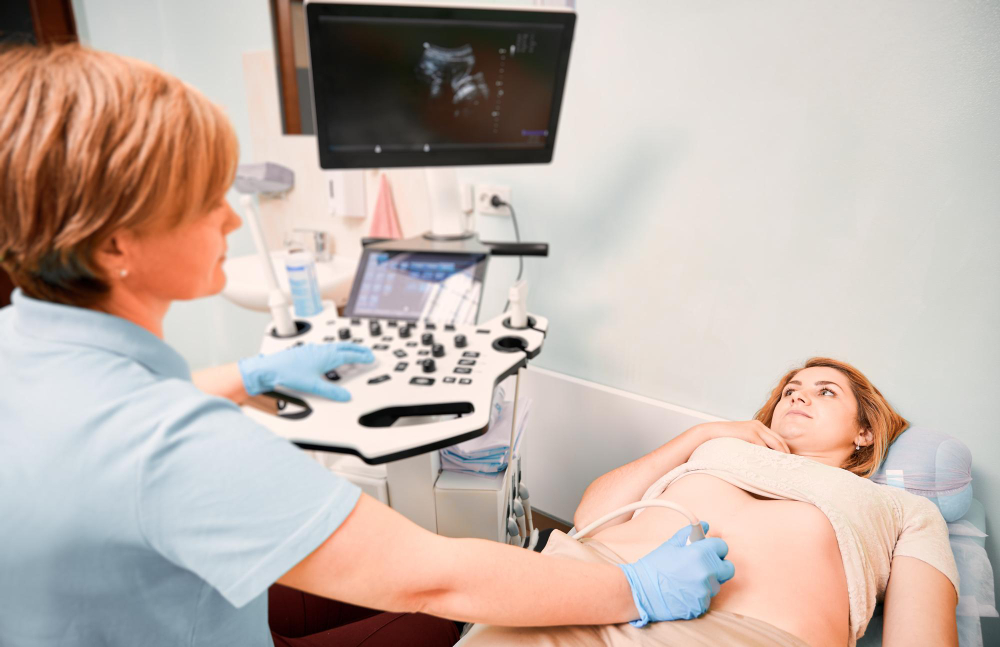
Doctors use several methods to diagnose ectopic pregnancy. For example, they may use:
Once diagnosed, treatment is needed quickly. Options include medicine (like methotrexate) or surgery. The choice depends on your health and the stage of the pregnancy. Early treatment helps prevent serious problems.
Prevention and Risk Factors
While you cannot always prevent ectopic pregnancy, knowing the risk factors can help. These include:
To lower your risk, avoid smoking and treat infections early. Regular check-ups can also help catch problems sooner.
When to Seek Medical Help
If you have signs of ectopic pregnancy, do not wait. Seek medical help right away. For example, if you have sudden severe pain, heavy bleeding, or feel faint, go to the emergency room. Early care can save your life and protect your health.
Conclusion
In summary, knowing the facts about ectopic pregnancy is important. Myths can be harmful, but facts help you stay safe. If you have concerns about ectopic pregnancy, consult a healthcare specialist at Keshath Institute for Maternity and Surgical Sciences for personalized advice.